Choosing the right Heavy Duty Roof Panel Roll Former is crucial for construction projects. This equipment is essential for creating durable and reliable roof panels. According to a recent industry report, the demand for heavy-duty roll formers is projected to grow by 15% annually in the next five years. This growth stems from increased construction activities and a surge in renovation projects across the globe.
When selecting a Heavy Duty Roof Panel Roll Former, consider factors like material compatibility and production capacity. High-quality machines often lead to higher efficiency, minimizing waste and operational downtime. However, not all manufacturers meet stringent quality standards. Many buyers report confusion over features and specifications, leading to costly mistakes. Evaluating suppliers’ credibility is key to avoiding pitfalls.
Investing in the right equipment enhances overall project quality. Yet, buyers must remain vigilant. Industry feedback indicates that poorly chosen machinery often leads to financial losses and project delays. Ensuring the right Heavy Duty Roof Panel Roll Former is an investment that pays off in the long run. Understanding market trends and technical specifications is essential for making an informed decision.
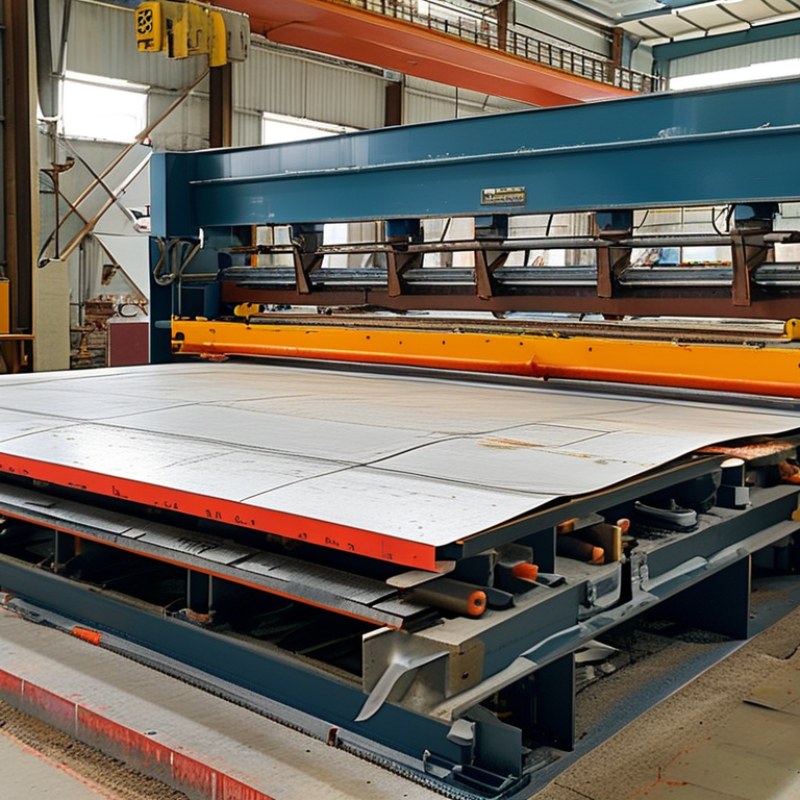
When it comes to choosing a heavy-duty roof panel roll former, understanding the basics is essential. These machines are designed to shape and reinforce roofing materials. They provide durability, strength, and efficiency in production. The right roll former can significantly affect project outcomes, ensuring your panels hold up against the elements.
Selecting a suitable roll former requires careful consideration. First, assess the machine's capacity and specifications. Do you need high production rates? Consider a model that offers speed and precision. Additionally, review the material compatibility. Some machines excel with specific steel types or thicknesses, which can impact the final product's quality.
When selecting a heavy-duty roof panel roll former, certain key features can greatly influence your decision. Input power is vital. Many industry reports indicate that models with higher electric motor specs offer improved durability and performance. This can help minimize downtime, which is crucial for larger projects.
Another essential aspect is the material handling capability. Look for a roll former that can efficiently manage various materials. Some machines are designed specifically for steel, while others can process aluminum or composite materials. This versatility can lead to expansive project opportunities.
Machine speed and production capacity also play a significant role. Research shows that machines with higher production rates can help you meet tight project deadlines. Yet, a balance between speed and quality is essential. High-speed machines can sometimes compromise on precision, resulting in costly adjustments later on. Make sure to evaluate real-world performance reports to verify the reliability of any model you consider.
Choosing the right materials for heavy-duty roof panels is crucial for your production needs. Assessing material compatibility can significantly impact durability and performance. Most professional reports suggest that steel and aluminum are the most commonly used materials in roof panel production. For instance, a study published by the Metal Building Manufacturers Association states that steel panels can withstand extreme weather conditions due to their high tensile strength.
While steel offers durability, it may not always be the best choice for all environments. Corrosion resistance is a key factor. For coastal areas, aluminum may provide better longevity. However, it can be more costly than steel. A report from the International Journal of Roofing Materials highlights that nearly 20% of roof panel failures stem from improper material selection. It stresses that understanding the environmental conditions of your installation site is essential.
Another consideration is insulation compatibility. Some materials work better with specific insulation systems. For instance, foam or fiberglass insulation can complement certain metal panels more effectively. Overlooking this can lead to increased energy costs and reduced performance. Ultimately, selecting compatible materials involves a careful balance of cost, durability, and environmental factors. Manufacturer guidelines can offer insights but should be complemented by hands-on experience.
When selecting a heavy-duty roof panel roll former, the manufacturer’s reputation is crucial. A reliable manufacturer will have a proven track record in the industry. Look for online reviews and testimonials from other users. These can reveal valuable insights. A positive reputation often correlates with high-quality products.
Customer support also plays a significant role. It’s not just about the machine; it’s about the relationship you build with the manufacturer. Consider how responsive they are to inquiries. Support after your purchase can be just as important as the initial sale. Ask questions before buying to gauge their willingness to assist.
Remember that imperfections exist in every solution. No manufacturer is without flaws or past issues. It’s essential to reflect on the feedback you come across, both good and bad. Sometimes, what one user perceives as a drawback could be manageable for you. Weigh these aspects carefully to make an informed decision. In an industry filled with choices, your trust should lie with those who prioritize quality and support.
When selecting a heavy-duty roof panel roll former, cost analysis plays a crucial role. Balancing price and quality is essential for long-term investment. Data from industry reports indicate that 60% of manufacturers prioritize purchasing equipment based on initial costs rather than overall value. This approach can lead to subpar performance and high maintenance costs.
For example, investing in a higher-quality roll former may present an upfront cost of 20% more than a cheap alternative. However, this premium machinery often results in lower operational costs and a longer lifespan. Research shows that quality equipment can reduce production downtime significantly, by up to 30%. The initial expense can be recouped in as little as two years through improved efficiencies and reduced repair expenses.
It is also important to consider the materials used in roll forming. Cheaper machines often utilize substandard components that may fail under heavy loads. This can lead to costly repairs and interruptions. Assessing the long-term value rather than just the sticker price is vital. Manufacturers should weigh these factors carefully to avoid deeper financial pitfalls in the future. Some may overlook these aspects, leading to decisions that could hinder productivity and profitability.
| Model | Maximum Panel Width (inches) | Production Speed (ft/min) | Material Thickness (gauge) | Price ($) | Warranty (years) |
|---|---|---|---|---|---|
| Model A | 42 | 20 | 24 | 15000 | 3 |
| Model B | 36 | 15 | 22 | 12000 | 2 |
| Model C | 48 | 25 | 20 | 18000 | 4 |
| Model D | 40 | 18 | 24 | 13000 | 2 |
| Model E | 44 | 22 | 18 | 16000 | 3 |
: Steel and aluminum are the most commonly used materials for roof panels. They offer durability and strength.
Material compatibility affects the roof panel's durability and performance. Poor choices can lead to failures and high costs.
Coastal areas may need aluminum for better corrosion resistance. Steel, while durable, may not suit every environment.
Some materials work better with specific insulation systems. Neglecting this can increase energy costs and decrease efficiency.
A strong reputation indicates quality. Look for online reviews and testimonials to assess reliability.
Evaluate responsiveness and post-purchase support. Strong support can make a difference throughout the product's lifespan.
Many focus on initial costs, potentially sacrificing quality. This may lead to higher maintenance and operational expenses.
High-quality equipment may cost more upfront, but it can save money through reduced downtime and fewer repairs.
Cheaper roll formers may use substandard materials, leading to failures under heavy loads and costly interruptions.
Consider performance, materials, and long-term impacts rather than just sticker prices to avoid poor investment decisions.
When selecting a Heavy Duty Roof Panel Roll Former, it is essential to understand the fundamental aspects of these machines. The choice hinges on several key features, including durability, speed, and ease of operation. Additionally, it is crucial to assess the compatibility of materials for your specific roofing needs, as different projects may require different types of metals and thicknesses.
Evaluating the manufacturer's reputation and the level of customer support they provide can significantly impact your experience and satisfaction. Lastly, performing a cost analysis will help you achieve the right balance between price and quality, ensuring that your investment in a Heavy Duty Roof Panel Roll Former is sound and suited to your production demands. By considering these factors, you can make an informed decision that aligns with your operational requirements.

Xiongchang