Choosing among the 7 Best Pre Engineered Building Roofing Machines for Sale requires more than comparing prices. A reliable Pre-Engineered Building Roofing Machine should produce consistent panels, clean seams, and accurate lengths. It must also match your steel grade, coil width, thickness range, and production schedule.
Dr. Anil Kumar, a roll-forming engineer with over two decades of field experience, says, “A roofing machine earns its value through repeatable accuracy, not impressive speed alone.” That advice matters on a busy factory floor. A machine may advertise high output, yet poor alignment can leave visible ripples along a 12-metre roof panel. Small errors become expensive during installation.
This guide examines seven practical roofing machines for sale, including standing-seam, corrugated, and customized roll-forming systems. It considers forming speed, hydraulic cutting, control systems, tooling durability, power requirements, and technical support. Some models look excellent on paper. Real performance can differ.
That is the difficult part.
Buyers should request sample panels, inspect finished edges, and confirm the machine’s adjustment range. Ask how quickly operators can change profiles. Check whether replacement rollers and electrical components are available locally. A lower purchase price may hide longer setup times or weak after-sales support. I have also found that many buyers overlook factory space, crane access, and coil-loading procedures. That mistake is avoidable. The best machine is not always the fastest or cheapest. It is the one that fits your materials, workforce, building projects, and long-term maintenance capability.
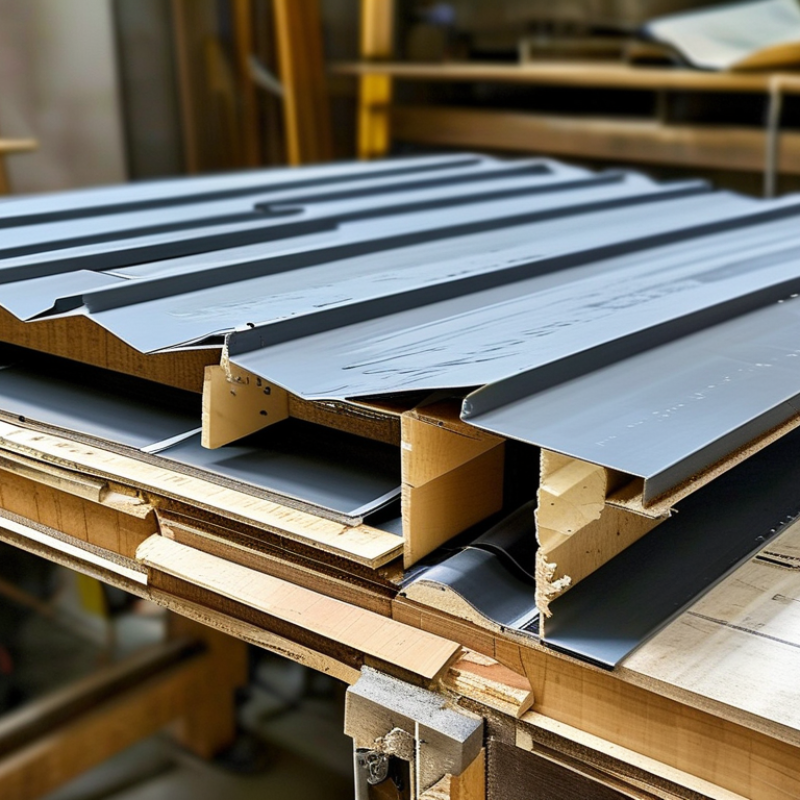
What Are Pre-Engineered Building Roofing Machines?
What Are Pre-Engineered Building Roofing Machines?
Pre-engineered building roofing machines form metal sheets for factory-made steel structures. They usually process galvanized or coated steel coils. The coil passes through shaped rollers, which gradually create the roof profile. A cutting unit then produces panels at specified lengths. Some machines also create standing-seam, corrugated, or concealed-fastener profiles.
The seven most useful roofing machine types depend on the building design. Common options include corrugated sheet machines, trapezoidal panel machines, standing-seam machines, tile-profile machines, curved-panel machines, sandwich-panel lines, and gutter-forming machines. Each type serves a different roofing task. For example, standing-seam equipment can reduce visible fasteners and improve water resistance. Sandwich-panel equipment adds insulation during production. That can save installation time.
Real performance depends on more than production speed. Check the working width, compatible coil thickness, forming accuracy, cutting tolerance, and electrical controls. A sturdy frame matters on dusty construction sites. Clear adjustment marks also help operators correct alignment quickly. Safety guards and emergency stops should be easy to reach. Good technical support remains important when rollers need calibration.
Faster is not always better. Excessive speed may increase scratches, noise, or profile distortion. I would inspect sample panels before purchasing. Measure their edges and seams. Small errors become obvious across a long roof. In practice, the best machine is the one matching the project’s material, profile, workforce, and maintenance capacity.
7 Best Pre-Engineered Building Roofing Machines for Sale
Pre-engineered building roofing machines are industrial machines used to form, profile, curve, or finish steel roofing panels. The chart compares typical working speed ranges for seven common machine categories used in PEB roofing production.
The values represent commonly reported working-speed ranges in meters per minute for standard steel coil processing. Actual output depends on panel profile, material thickness, cutting length, automation level, and production-line configuration.
Key Features to Compare Before Choosing a Roofing Machine
Choosing a roofing machine for a pre-engineered building requires more than comparing hourly output. Start with material compatibility. Check whether the machine handles galvanized steel, aluminum, or coated sheets without damaging their surfaces. Confirm the workable thickness range and maximum coil width. A narrow range may create problems on future projects.
Profile accuracy is equally important. Ask for measured tolerances, not only production claims. Small errors can cause gaps at overlaps, especially on long roof panels. The forming stations should apply steady pressure without leaving dents or sharp marks. I have found that adjustable guides make setup easier, but they also require careful calibration. Faster is not always better.
Control systems deserve close attention. A clear touchscreen, recipe storage, and automatic length control can reduce cutting mistakes. Emergency stops, guards, overload protection, and stable electrical requirements should be visible and documented. Examine the cutting unit during a live test. Clean cuts matter. So does noise. Maintenance access is often overlooked, yet crowded components can lengthen daily inspections. Check spare-part availability, technical training, warranty terms, and service response times before purchasing. A low price may hide expensive downtime. I would also test the machine with your actual coil material, because sample specifications can look better than real production results.
Seven Best Roofing Machines for Pre-Engineered Buildings
Pre-engineered buildings need roofing equipment that delivers speed, alignment, and repeatable quality. Seven useful machines are the decoiler, roll-forming machine, standing-seam panel machine, sheet-cutting machine, seam-locking machine, curving machine, and insulation laminating machine. Each tool supports a different roof stage, from feeding coils to closing seams.
The roll former shapes long panels with consistent ribs and edges. A standing-seam machine creates concealed joints, while a seam-locking machine improves weather resistance. The curving machine helps produce arched roofs and cleaner drainage lines. Insulation laminating equipment reduces manual handling, although poor calibration can wrinkle the facing. The World Steel Association reported 1.89 billion tonnes of crude steel production in 2023. That figure shows the material’s industrial scale, but it does not guarantee good roofing work. Site measurements still matter.
Tips: Choose capacity from panel width, thickness, and daily output. Ask for documented tolerance results, not only marketing speed. Keep cutting blades sharp. Inspect the first panel beside the building drawings. A small alignment error can spread across the entire roof. The U.S. Department of Energy notes that reflective roof surfaces can lower heat gain in suitable climates. However, coating performance depends on color, insulation, dust, and local weather. A machine may produce perfect panels, yet rushed installation can still create leaks. Crew training remains an overlooked investment.
7 Best Pre Engineered Building Roofing Machines for Sale? - Seven Best Roofing Machines for Pre-Engineered Buildings
| No. |
Machine Type |
Primary Roofing Application |
Typical Material Thickness |
Typical Working Width |
Typical Forming Speed |
Typical Main Motor Power |
Key Selection Advantage |
| 1 |
Standing Seam Roof Panel Roll Forming Machine |
Continuous production of concealed-fastener standing seam panels for industrial roofs |
0.50–0.80 mm |
300–600 mm |
8–15 m/min |
7.5–15 kW |
Produces long, weather-resistant panels with fewer exposed fasteners |
| 2 |
Trapezoidal Roof Panel Roll Forming Machine |
Production of profiled metal roof sheets for warehouses, factories, and agricultural buildings |
0.40–0.80 mm |
900–1,250 mm |
10–20 m/min |
5.5–11 kW |
Suitable for common PEB roof profiles and high-volume sheet production |
| 3 |
Corrugated Roofing Sheet Roll Forming Machine |
Manufacture of sinusoidal corrugated sheets used for roofs, wall cladding, and refurbishment |
0.35–0.75 mm |
800–1,100 mm |
12–25 m/min |
5.5–11 kW |
Simple profile design with efficient material use and broad market demand |
| 4 |
Roof Panel Double-Layer Roll Forming Machine |
Production of two different roof profiles from one integrated production line |
0.40–0.80 mm |
900–1,250 mm per profile |
8–18 m/min |
11–22 kW |
Reduces floor-space requirements while increasing product variety |
| 5 |
Automatic Decoiler and Cut-to-Length Line |
Uncoiling, straightening, measuring, and cutting steel coil before or after roofing operations |
0.40–1.20 mm |
Up to 1,250 mm |
15–30 m/min |
7.5–15 kW |
Improves sheet handling, length accuracy, and production consistency |
| 6 |
Roof Panel Curving Machine |
Forming curved roofing panels for barrel roofs, canopies, and architectural structures |
0.50–0.80 mm |
Up to 1,000 mm |
5–12 m/min |
5.5–11 kW |
Creates controlled-radius panels for curved pre-engineered building designs |
| 7 |
Roof Panel Seam-Locking and Crimping Machine |
Locking or mechanically seaming adjacent standing seam panels at roof joints |
0.50–0.80 mm |
300–600 mm seam systems |
4–12 m/min |
1.5–4 kW |
Strengthens panel joints and helps improve resistance to wind-driven rain |
Note: The specifications shown are typical industry ranges for standard carbon-steel or coated-steel roofing equipment. Actual capacity depends on the selected roof profile, coil material, sheet thickness, automation level, and production-line configuration.
How to Match Each Machine with Your Production Needs
Choosing among the seven best pre-engineered building roofing machines starts with your actual production pattern.
A high-speed roll forming machine suits large orders with one or two repeated profiles. A quick-change model fits contractors serving different building designs. For standing seam roofs, select equipment that controls seam height and panel width accurately. Corrugated panel machines work well for common roof sheets and moderate output. Sandwich panel lines are better when insulation is produced in-house.
Material thickness matters. Thin galvanized steel needs careful tension control. Heavier coils require stronger decoilers, guides, and cutting systems. A curving machine helps create arched roofs, but it may sit unused in a standard warehouse. Cut-to-length equipment reduces waste when orders vary. I would measure daily coil usage, changeover time, floor space, and operator skill before comparing prices. A fast machine can still be the wrong investment.
Tips: Ask for sample panels using your preferred steel grade and thickness. Check dimensional tolerance after several production cycles, not just one test sheet. Confirm blade life, electrical requirements, training, and maintenance access. Request realistic output figures, including setup and cleaning time. Keep a small allowance for scrap; production rarely stays perfect. Review local service response before signing, because one stopped forming line can delay an entire project.
Buying, Operating, and Maintaining Roofing Machines Successfully
Buying a pre-engineered building roofing machine requires more than comparing prices. Check its working width, material thickness range, forming speed, and power requirements. The machine should match your roof panel design and daily production volume. Ask for clear manuals, operator training, spare parts, and responsive technical support. A low purchase price means little if repairs stop production for weeks.
Operating discipline protects both workers and panels. Keep hands away from forming rollers, and use guards, emergency stops, and proper personal protective equipment. Before each shift, inspect cables, bolts, rollers, and alignment. Feed the metal smoothly. Forcing a misaligned coil can create dents, uneven seams, or costly material waste. Measure the first panel carefully with a level and tape measure. Small errors multiply across a long roof.
Maintenance works best when it is recorded, not remembered. Clean metal filings and dust from the machine after use. Lubricate approved moving points according to the service schedule. Check roller wear, fasteners, electrical connections, and cutting tools regularly. Store coils on dry, stable supports. I have seen teams delay simple adjustments until panel quality declined. That choice felt efficient for one afternoon, but it created extra rework later. Leave time for inspection, even during urgent orders. Safety labels and local workplace requirements also deserve regular review.
Conclusion
Pre-Engineered Building Roofing Machine systems are specialized tools designed to produce accurate, durable roofing panels for factory-built structures. This overview explains how these machines work and highlights the key features buyers should compare, including forming capacity, material compatibility, production speed, automation level, dimensional accuracy, safety controls, and ease of adjustment. It also introduces seven practical machine categories suitable for different roofing profiles, project sizes, and manufacturing environments.
Choosing the right equipment depends on expected production volume, panel specifications, available workspace, labor resources, and budget. The guide shows how to match each machine with specific production needs while considering installation, operator training, routine inspections, spare parts, and maintenance planning. By evaluating performance, reliability, flexibility, and long-term operating costs together, manufacturers can select a roofing solution that supports consistent quality, efficient production, and dependable service throughout its working life.

 Xiongchang