Choosing a PEB Roofing Panel Roll Former in 2026 requires more than comparing prices and machine photographs. The right equipment must produce accurate panels, maintain stable forming pressure, and support dependable daily production. This guide examines practical buying factors for manufacturers, contractors, and growing steel-building businesses.
Real experience shows that small details often affect long-term results. Check the decoiler capacity, shaft strength, roller material, cutting accuracy, and control-system response. Measure twice. A panel line may appear impressive, yet poor alignment can create uneven ribs, scratched coatings, or difficult installation. Confirm the usable panel width, material thickness range, and compatible steel grades before signing an order.
Supplier reliability matters as much as machine design. Ask for production videos, sample panels, electrical documentation, warranty terms, and after-sales support. Details matter. A serious manufacturer should explain maintenance intervals, spare-part availability, training, and realistic output speeds. Independent references can reveal problems that brochures omit. No machine is perfect, and advertised capacity may not match demanding site conditions. That difference deserves careful questioning.
This 2026 buying guide also considers factory layout, operator safety, energy use, software usability, and future expansion. A lower purchase price may become expensive when replacement parts arrive slowly or technical support remains vague. Buyers should compare total ownership costs, not only the initial quotation. The most suitable PEB Roofing Panel Roll Former is not always the fastest model. It is the machine that delivers consistent profiles, manageable maintenance, and trustworthy support over years of production. Recheck every assumption before making the final decision.
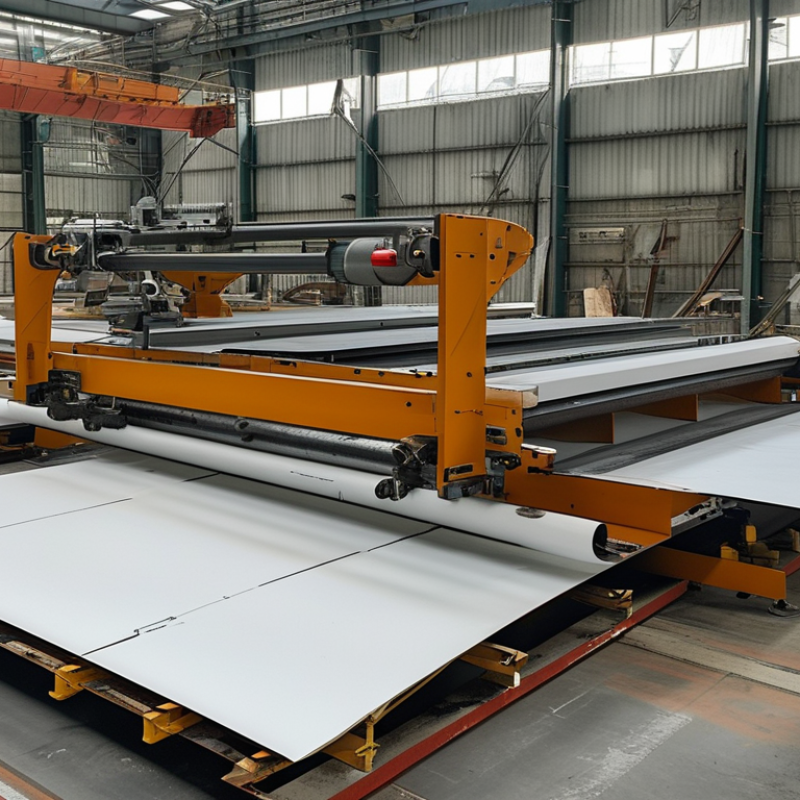
PEB Roofing Panel Roll Former Basics: Profiles, 0.4–1.2 mm Steel, and 10–25 m/min Output
A PEB roofing panel roll former shapes continuous steel into profiles used for pre-engineered buildings. Common profiles include trapezoidal, ribbed, and concealed-fix panels. Each profile needs matching forming stations, guides, and cutting settings. A machine designed for one profile may not produce another accurately.
Material Considerations
Material thickness matters daily. Steel from 0.4 to 1.2 mm requires stable entry guides and sufficient forming power. Thin coils can wrinkle around sharp ribs, while thicker steel may overload poorly adjusted rollers. Galvanized or coated surfaces also need careful handling to prevent scratches. I would inspect sample panels under normal lighting, not only measure them with calipers.
Production Performance
Output between 10 and 25 m/min sounds practical for many projects. However, real production speed depends on profile depth, coil width, cutting length, and operator changes. A fast line can create more waste if alignment drifts. Ask for measured tolerances, trial production data, and maintenance records. Confirm whether the control system stores different panel lengths reliably. Small details matter.
Evaluation Checklist
During evaluation, check the decoiler capacity, hydraulic cutting response, emergency stops, and spare roller availability. A machine may look excellent during a short demonstration yet require frequent adjustment after several hours. That gap deserves attention. Pilot testing with your actual steel is safer than trusting a brochure.
2026 Capacity Planning: Line Speed, 10–15 kW Drive Power, and Daily Production
2026 Best PEB Roofing Panel Roll Former Buying Guide?
Capacity planning should begin with the roof panel required, not the machine’s advertised speed. A practical line may run at 10–25 meters per minute, depending on profile depth, steel thickness, and cutting time. Ask for a witnessed production test using your actual coil specification.
A 10–15 kW drive system can support many standard PEB roofing applications. However, motor power alone does not determine output. Forming stands, gearbox efficiency, acceleration control, and material feeding stability also matter. At 18 meters per minute, an eight-hour shift theoretically produces 8,640 meters. That figure is optimistic. Allowing for setup, coil changes, inspections, and minor stoppages may reduce usable time to six hours. Real output could reach about 6,480 meters.
Measure the details.
Daily production should include scrap and maintenance losses. A panel line producing 5,500 usable meters may outperform a faster line with frequent profile defects. Check shaft alignment, roller adjustment, emergency stopping, and cut-length accuracy during trials. Operators should record speed, downtime, rejected panels, and electricity use for several shifts. My early estimates often ignored coil changes. That mistake made the capacity plan look better than the factory floor. Leave room for seasonal orders, operator learning, and future profile changes. A slightly slower machine with stable feeding may provide more dependable production than a high-speed system running near its limits.
2026 Best PEB Roofing Panel Roll Former Buying Guide? - 2026 Capacity Planning: Line Speed, 10–15 kW Drive Power, and Daily Production
Practical planning data for selecting a PEB roofing panel roll forming line
Planning Basis
8-hour scheduled shift and 75% effective utilization
Typical Material
Pre-painted or galvanized steel coil
Output Formula
Line speed × 6 effective production hours
| Planning Dimension |
Recommended Range / Option |
Planning Value |
Capacity or Buying Implication |
| Finished panel coverage width |
Approximately 900–1,000 mm |
Use the supplier’s effective cover width, not coil width |
Affects material yield, roof layout, and output calculation |
| Steel thickness |
0.40–0.80 mm |
Confirm the actual grade and yield strength |
Thicker or higher-strength steel generally requires stronger forming stations and more drive torque |
| Coil width allowance |
Effective width plus profile and trimming allowance |
Often about 1,000–1,250 mm for common roofing profiles |
Verify decoiler capacity and entry-guide adjustment range |
| Working line speed |
10–20 m/min |
10–15 m/min is a practical planning range for many standard profiles |
Higher rated speed does not always equal higher saleable output; include setup, cutting, and coil-change time |
| Main forming drive power |
10–15 kW total installed drive power |
Select according to thickness, profile depth, speed, and forming torque |
Ask for motor rating, reducer ratio, torque margin, and electrical supply requirements |
| Decoiler capacity |
5–10 tonnes |
Choose based on available coil weights and handling equipment |
A larger capacity can reduce coil-change frequency but may increase floor-load and equipment cost |
| Roll forming stations |
Approximately 12–20 stations |
Final count depends on profile geometry and material strength |
More stations may improve gradual forming and surface quality, but increase machine length and maintenance points |
| Cut-to-length tolerance |
Typically around ±1–2 mm, subject to specification |
Confirm tolerance at the intended production speed |
Accuracy depends on encoder, control system, shear design, and material behavior |
| Scheduled shift duration |
8 hours per shift |
480 scheduled minutes |
Use scheduled time only as a starting point; planned downtime must be deducted |
| Effective utilization assumption |
75% |
6 effective production hours per 8-hour shift |
Covers setup, threading, inspections, minor stops, packaging, and coil changes |
Daily Production Capacity Scenarios
| Scenario |
Line Speed
(m/min) |
Effective Hours
(h/day) |
Estimated Output
(m/day) |
1,000 mm Cover
(m²/day) |
Typical Use |
| Conservative |
10 |
6 |
3,600 |
3,600 |
New operation, frequent profile changes, or thicker material |
| Balanced |
15 |
6 |
5,400 |
5,400 |
Common planning case for stable production of standard profiles |
| High Utilization |
20 |
6 |
7,200 |
7,200 |
Long runs, limited changeovers, and well-controlled material feed |
Capacity Planning Notes
- Estimated daily output is calculated as: line speed × 60 × effective production hours.
- Square-meter output assumes a 1,000 mm finished cover width and excludes scrap, end trim, and rejected panels.
- A 10–15 kW drive system should be matched to the selected steel grade, thickness, profile depth, forming torque, and target speed.
- Request a production trial using the actual coil material and profile drawing before final purchase approval.
Machine Selection: Forming Stations, 400–600 mm Coil Widths, and Automation
When evaluating a PEB roofing panel roll former in 2026, start with panel geometry, not advertised speed.
A machine for 400–600 mm coil widths must hold strip alignment across the full range. Ask for verified samples at both limits. Narrow coils can expose guiding errors quickly. Wide coils demand stronger entry guides and stable tension. In a workshop, measure finished ribs, seam fit, and panel camber after several runs. One sample is not enough.
Forming stations determine surface quality and maintenance effort.
More stations often create smoother bends, but they also increase machine length, tooling cost, and setup time. For thin galvanized steel, controlled passes can reduce paint scratches and edge waves. For thicker material, frame rigidity matters more than station count alone. Check shaft diameter, bearing access, roll adjustment, and emergency stopping distance. Request a station-by-station forming drawing. It may reveal details that a sales sheet hides.
Automation should remove repetitive decisions, not operator judgment.
A reliable system can control coil entry, cutting, speed changes, length, and fault alarms. Encoder accuracy matters when panels must match roof layouts. Ask whether recipes can be edited safely after a sensor failure. Test the line with realistic coil weights and production pauses. Avoid choosing the fastest cycle blindly. We once underestimated changeover time; the machine looked efficient, but daily output fell. That mistake still matters. Leave room for training, spare tooling, and future width changes. A practical acceptance test should record tolerances, scrap, noise, and restart behavior.
Ownership Costs: Energy Use, Tooling Life, Warranty Terms, and Payback Period
When comparing a PEB roofing panel roll former in 2026, purchase price is only the visible cost. Measure motor load, standby draw, and production speed during a real trial. A 15-kilowatt motor running six hours daily can consume significant electricity. Frequent starts increase waste. Ask for measured output, not only rated capacity. Record panels produced hourly, material thickness, and scrap rate. Small losses become expensive over a year.
Tooling life deserves equal attention. Forming rolls should match your steel grade and thickness range. Request hardness data, machining tolerances, and replacement guidance based on production volume. Keep one sample panel from acceptance testing. Compare its ribs, seams, and cut length after several months. Wear often appears gradually. We have seen maintenance plans fail because operators ignored small alignment changes. That mistake can turn clean profiles into costly rejects.
Warranty terms should state coverage, response time, excluded parts, and installation responsibility. A twelve-month warranty may be weak if labor, travel, or electrical faults are excluded. Ask whether remote diagnosis includes recorded operating data. Build payback from machine cost, installation, energy, tooling, maintenance, labor, and scrap. Divide total investment by monthly gross savings. Do not trust an optimistic payback period. A slower line with stable tooling may outperform a faster machine during difficult months. Recheck estimates using your utility bill and actual order history. That is less exciting, but more reliable.
2026 Best PEB Roofing Panel Roll Former Buying Guide: Ownership Costs and Payback
This five-year planning model estimates total ownership costs at approximately $120,500 for a mid-size roll former. The calculation assumes an $80,000 machine, $8,000 installation, 15 kW average operating load, 2,000 production hours per year, electricity at $0.12/kWh, one $2,500 tooling replacement during five years, and annual maintenance at 3% of the machine price.
A 24-month warranty can reduce early repair exposure, but warranty coverage should be checked for electrical components, forming rollers, labor, shipping, and response time. If the machine generates approximately $60,000 in annual labor capacity savings, the modeled simple payback period is about 1.7 years.
Conclusion
This 2026 buying guide explains how to evaluate a PEB Roofing Panel Roll Former for reliable and efficient panel production. It covers common roofing profiles, compatibility with 0.4–1.2 mm steel, and practical output ranges of 10–25 m/min. Buyers will learn how to plan capacity by balancing line speed, daily production targets, and 10–15 kW drive power. The guide also highlights essential quality standards, including ±1 mm cut-length accuracy, consistent panel strength, and suitable ASTM compliance for the intended application.
It further compares machine configurations by forming-station count, 400–600 mm coil widths, and automation options such as automatic feeding, cutting, and control systems. Ownership considerations include energy consumption, tooling service life, warranty coverage, maintenance requirements, and the expected payback period. By reviewing these technical and financial factors together, manufacturers can select a roll former that supports stable production, reduces operating risks, and matches their long-term roofing panel business goals.

 Xiongchang